Military Training in Kristofferson
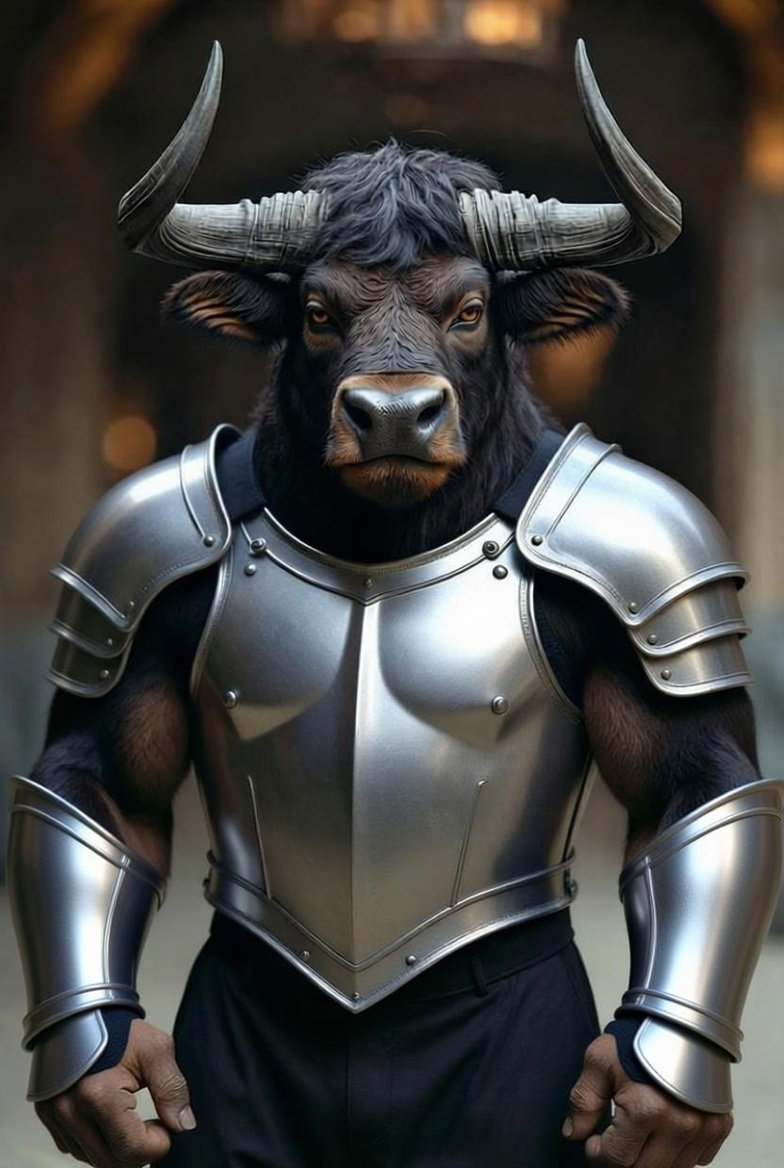
Born into a respected military family in Kristofferson, Merat entered formal combat training at the earliest permissible age, demonstrating natural talent for tactics and leadership that quickly distinguished him from his peers. The rigorous Kristofferson military academies, known throughout Xeres Prime for producing some of the finest warriors on the continent, became his second home. He excelled not just in personal combat but in the complex art of commanding troops under battlefield conditions, earning commendations for his ability to maintain unit cohesion under extreme pressure. By his twenty-fifth year, he had achieved the rank of company commander in the Kristofferson regulars, leading successful campaigns against bandits and border threats that established his reputation as a rising military talent.
Formation of the Minute Men
Frustrated by the political constraints that increasingly hampered the Kristofferson military's effectiveness, Merat made the controversial decision to resign his commission and form an independent mercenary company. He named his new outfit "Merat's Minute Men" as a promise to clients that his forces would respond to threats with immediate action rather than bureaucratic delay. The company, composed entirely of hand-picked minotaur warriors who shared his philosophy of decisive action over political considerations, quickly gained a reputation for reliability and effectiveness. Over the next decade, they took contracts throughout Xeres Prime, building a track record of successful campaigns that always prioritized completing the mission while minimizing civilian casualties. His leadership style, which emphasized trust, discipline, and leading from the front, created a unit cohesion that made his hundred soldiers worth far more than their numbers suggested.
Building a Reputation Through Action
The Minute Men's success came not from flashy victories or political connections, but from consistent, professional execution of difficult missions that other mercenary companies declined or failed to complete. Merat established strict standards for accepting contracts, refusing work that involved terrorizing civilians or supporting obviously unjust causes, even when such contracts offered substantial payment. This principled approach earned respect from both clients and competitors, making the Minute Men the first choice for commanders who needed reliable troops rather than cheap fodder. His reputation for careful planning, thorough reconnaissance, and adapting tactics to specific battlefield conditions meant that his casualties remained remarkably low even in dangerous operations. By the time Hotaru came seeking aid, Merat had built the Minute Men into one of the most respected mercenary companies operating out of Kristofferson.
The Call to Verdant Hold
When his friend Morvian Dros reached out with an unusual request, Merat found himself caught between personal loyalty and professional caution. Morvian, newly married to Echo and serving as minotaur ambassador to Pan'Che, asked him to accept whatever contract Hotaru would offer and promised to personally ensure fair compensation regardless of the terms. The situation intrigued Merat because Morvian, typically cautious and politically astute, was taking a significant personal risk by involving himself in what appeared to be a brewing continental conflict. After meeting with Hotaru and learning about the impending assault on Verdant Hold by the Chromatic Council, Merat recognized the scope of the coming battle and the questionable odds of survival. Yet something about the Southern Coalition's desperate determination and Hotaru's obvious desperation to protect those he cared about resonated with Merat's own sense of honor, and he agreed to bring his Minute Men to the defense of a city he had never seen to protect people he had never met.
The Battle of Verdant Hold
The First of Frostmoon, 1304, brought the massive assault that would define Merat's military career and forever change his relationship with both Kristofferson and the Southern Coalition. Leading his hundred Minute Men against the overwhelming forces of the Chromatic Council, Merat demonstrated why his reputation had grown so formidable over the years. He positioned his troops with surgical precision, using their discipline and training to hold critical defensive positions that amplified their effectiveness far beyond their modest numbers. While tens of thousands died around them and entire armies were decimated, the Minute Men maintained their cohesion and tactical flexibility, adapting to the chaos of the massive battle with the cool professionalism that Merat had drilled into them over years of training. When the smoke cleared and the Southern Coalition claimed their improbable victory, the Minute Men had suffered only eight casualties, a testament to Merat's tactical brilliance and his soldiers' exceptional training and discipline.
Imperial Displeasure and Punishment
Merat returned to Kristofferson expecting recognition for his tactical achievements and the Minute Men's exceptional performance, but instead found himself summoned before an angry Emperor who viewed his participation in the battle as a political embarrassment. The Emperor, maintaining a carefully neutral stance in continental politics, saw Merat's involvement as potentially damaging to Kristofferson's diplomatic position and worried that it might be interpreted as tacit support for the Southern Coalition. Rather than celebrate a military victory, the Emperor chose to make an example of Merat by stripping him of his right to lead troops in combat and appointing him as Kristofferson's ambassador to Goodberry. The assignment, delivered as a punishment disguised as a promotion, came with explicit instructions that Merat was to report everything back to the Emperor before expressing any opinions publicly, effectively muzzling him while forcing him into the political arena he despised.
A Warrior in Diplomat's Clothing
Now stationed in Goodberry as Kristofferson's official ambassador, Merat finds himself in perhaps the most uncomfortable position of his entire military career. Required to play the role of hardliner against a government he actually respects, he must maintain a facade of skepticism and opposition while secretly recognizing that Goodberry's leadership, composed entirely of combat veterans and former generals, represents exactly the kind of principled, action-oriented governance he has always believed in. Every diplomatic meeting becomes an exercise in carefully controlled frustration as he voices objections he doesn't believe while observing leaders who have proven their worth on the same battlefield where he earned his reputation. The situation grows more complicated as he realizes that many of Goodberry's policies and decisions align closely with his own values, making his mandated opposition increasingly difficult to maintain with conviction. He knows that eventually, the Emperor's demands for obstruction will clash irreconcilably with his own sense of honor and respect for fellow warriors, creating a crisis that will force him to choose between his duty to Kristofferson and his personal code of ethics.