Dirt to Stone
Description
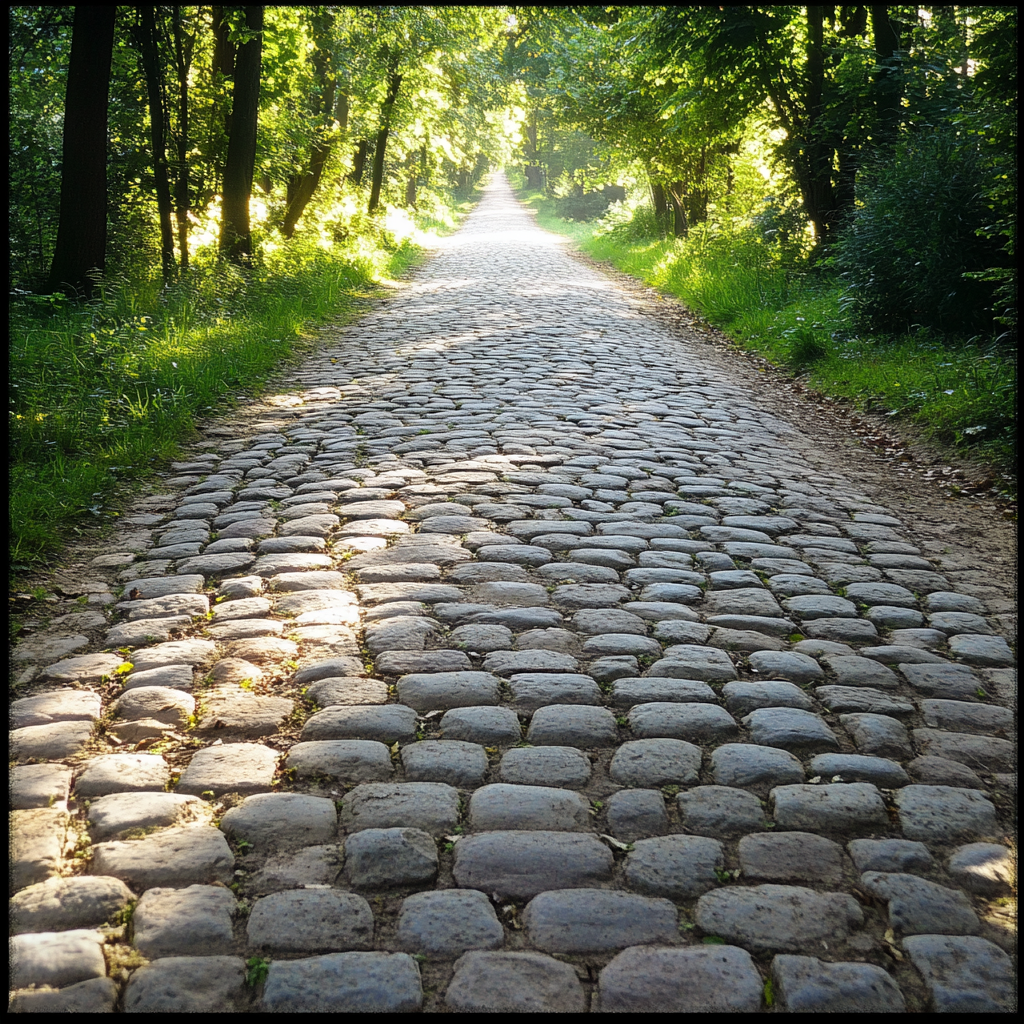
The heart of this upgrade lies in its innovative layered construction approach. The process begins with careful excavation of existing paths to a depth of eighteen inches. This foundation is then filled with a bottom layer of large crushed stone, each piece carefully selected for drainage properties. Above this lies a middle layer of smaller gravel, meticulously leveled to ensure proper water flow. The surface layer consists of hand-cut cobblestones, each one shaped to interlock with its neighbors in a pattern that traditionally takes decades to perfect through natural wear.
The cobblestones themselves tell a fascinating story of engineering ingenuity. Rather than traditional square or rectangular shapes, these stones are cut in a modified hexagonal pattern with slightly convex top surfaces. This design, known among stonemasons as the "Raindrop Pattern," ensures that water sheets off the stones rather than pooling, while the hexagonal fit minimizes the chances of stones working loose over time.
Perhaps most impressive is the integrated drainage system that runs beneath the new roads. Every fifty feet, cleverly disguised stone grates lead to a network of underground channels. These channels, lined with carefully graded gravel and perforated ceramic pipes, direct water away from the paths and into collection basins or existing waterways. The grates themselves are a marvel of practical design, featuring hinged sections that can be lifted for easy cleaning while being heavy enough to resist displacement by wagon wheels.
The roads are subtly crowned – higher in the middle than at the edges – but in a way that's barely noticeable to the eye or foot. This careful grading ensures proper drainage while maintaining comfort for both pedestrians and wheeled traffic. At intersections, the stones are laid in intricate fan patterns that not only please the eye but also help naturally slow approaching traffic through their texture.
Along the edges of the main thoroughfares, slightly raised stone curbs protect pedestrians and define the boundaries between road and walkway. These curbs are punctuated at regular intervals by hitching posts for horses, each one anchored deep into the ground with iron stakes and featuring decorative caps that match the estate's architectural motifs.
The transformation extends to the creation of small piazzas at key intersections, where the cobblestones are laid in circular or spiral patterns radiating out from central points. These areas become natural gathering spaces, with the stonework itself suggesting places where vendors might set up stalls or residents might pause to converse.
Benefits
The new stone roads reduce travel time within the estate by 25% and eliminate damage to wagons and carts from rough terrain. Moreover, the professional appearance and durability of the roads generate 5 Prestige for the estate.