Description
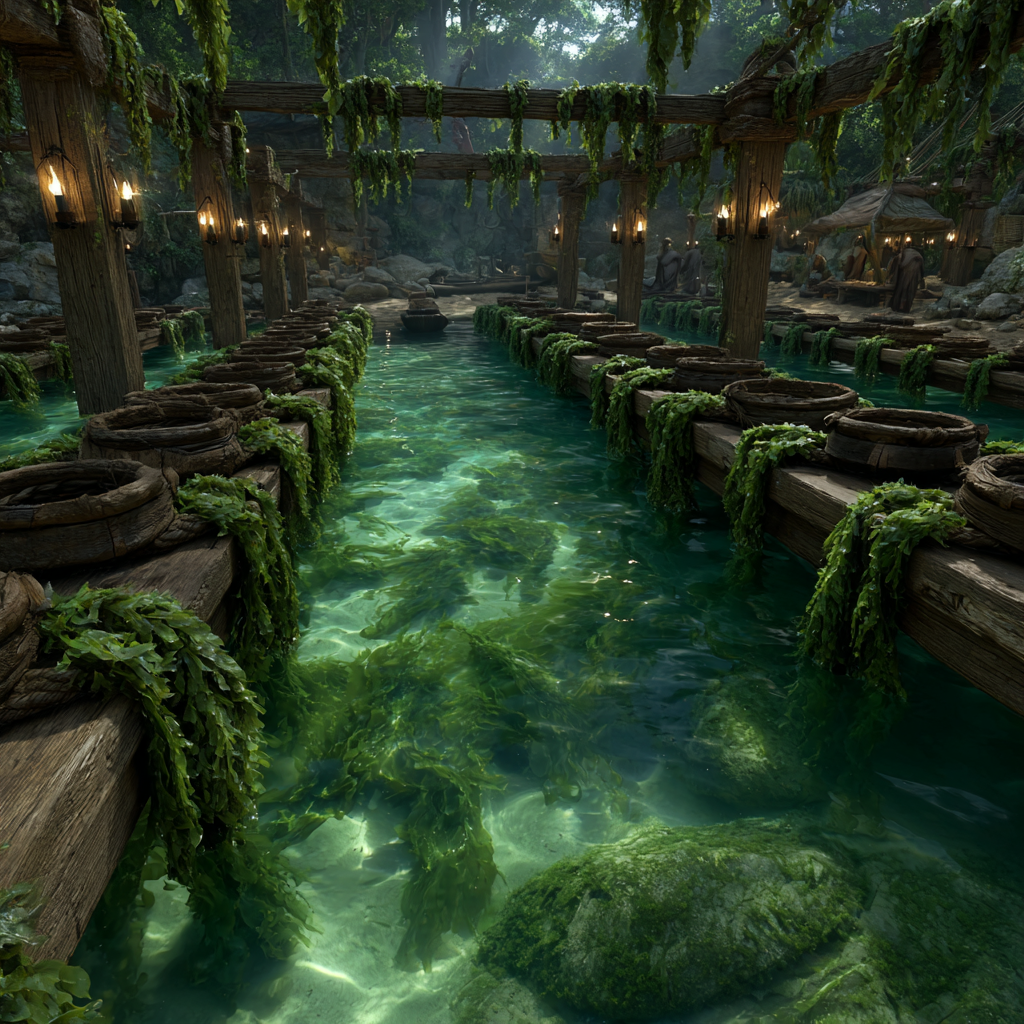
The seaweed itself is propagated through a combination of wild harvesting and deliberate cultivation. Farmers collect fertile fronds from particularly vigorous wild specimens during low tide expeditions, identifying plants with the characteristics most valued by the Vaitafe including rapid growth, tender texture, rich flavor, or medicinal properties. These selected fronds are carefully wrapped around the cultivation lines using biodegradable twine made from processed plant fibers, positioning them so that the holdfasts can attach naturally to the rope substrate. Within days, the seaweed begins growing, sending out new fronds that undulate gracefully in the tidal currents. The Vaitafe cultivate several distinct varieties including thick-bladed kelp prized for its hearty texture when cooked, delicate red seaweeds that add color and subtle flavor to dishes, medicinal varieties known for soothing digestive ailments, and the particularly valuable wrack that produces strong fibers suitable for weaving when properly processed. Each variety occupies its own section of the farm, marked with carved wooden tags that identify the species and planting date.
Maintenance of the seaweed farms requires regular attention but modest labor compared to terrestrial agriculture. Farmers visit the cultivation sites during low tide when the lines are easily accessible, wading through the shallows with baskets and tools. They remove competing organisms that attempt to colonize the lines including barnacles and unwanted algae species, thin overcrowded sections to prevent stunted growth, and harvest mature fronds that have reached optimal size. The harvesting technique is crucial, as Vaitafe farmers have learned to cut fronds carefully while leaving the holdfasts intact, allowing the plant to regenerate and produce multiple harvests from a single attachment point. Damaged or broken lines are repaired immediately, and sections that show poor growth are analyzed to determine whether the problem stems from insufficient light, poor water flow, or other factors that can be corrected. A small covered platform built on a nearby Spine Bar serves as a staging area where harvested seaweed is initially processed, with tables for sorting, baskets for different varieties, and racks where certain types are spread to begin drying.
The harvested seaweed undergoes various treatments depending on its intended use. Fresh seaweed destined for immediate consumption is rinsed thoroughly in freshwater to remove salt and any clinging sand, then delivered to the settlement's kitchens where it appears in soups, wraps for fish, and side dishes. Seaweed intended for preservation is spread on drying racks in the sun, transforming over the course of a day into crisp sheets that can be stored for months without spoiling. Some varieties are pressed and fermented in clay vessels, developing complex flavors prized by connoisseurs. Medicinal seaweeds are processed into tinctures and powders by those trained in traditional healing arts. The fibrous varieties are subjected to extended soaking and beating to break down the plant material into workable strands that can be spun and woven. Even the holdfasts and stems that cannot be consumed directly are collected and added to compost pits where they decompose into rich fertilizer for terrestrial gardens.
The seaweed farms have proven remarkably productive in Goodberry's accelerated environment. Varieties that would normally require months to reach harvestable size mature in mere weeks, with some species ready for cutting every fourteen days during peak growing seasons. This rapid growth rate, combined with the seaweed's ability to regenerate from the same holdfast multiple times, creates a sustainable harvest that provides consistent yields year-round. The farms have become an important part of the settlement's food security, offering nutritious vegetables from the sea that complement the protein from fishing operations. They also serve as valuable teaching grounds where young Vaitafe learn about marine ecology, sustainable harvesting practices, and the patient observation required to work successfully with living systems. The sight of the submerged cultivation lines swaying with the tides, their attached seaweed streaming like underwater banners, has become another distinctive feature of the Tidal Expanse settlement, evidence of the Vaitafe people's ability to work in harmony with their aquatic environment rather than fighting against it.
Benefits
The Seaweed Farms produces fresh seaweed every week, providing nutritious food for the settlement, valuable wrapping materials for food preservation, medicinal supplies, and fiber for textile production. Dried seaweed is sold for 100 gold every month. The farms also contribute organic material for composting and fertilizer production. This upgrade generates 2 Prestige.