Description
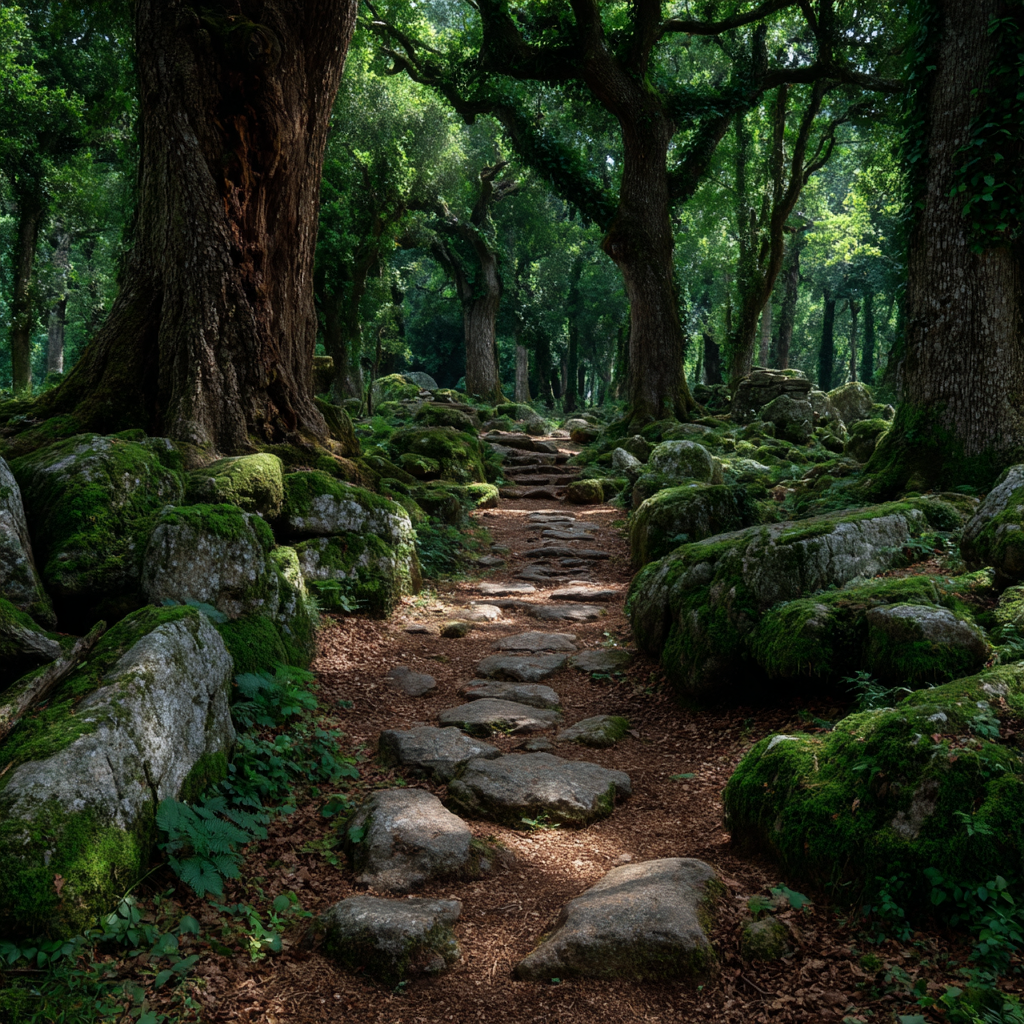
The Game Trails wind through the deeper sections of the Elderwood Grove, following natural animal paths that deer, elk, and other creatures have used for generations. Rather than imposing new routes, the settlement's rangers simply marked and maintained these existing trails, ensuring they could be traveled quietly without disrupting the forest's normal rhythms. Small cairns of stacked stones mark intersections, while subtle notches carved into tree bark at eye level provide navigation aids that only those trained to look for them will notice. The trails create a comprehensive network that allows rangers to move through virtually every section of the grove while monitoring wildlife populations, tracking migration patterns, and assessing the health of various animal communities. This constant observation provides crucial data about when populations grow beyond what the forest can sustainably support, when disease threatens a herd, or when predator-prey relationships fall out of balance.
The necessity of hunting within the grove emerged from hard reality rather than desire for sport or trophy. As the settlement grew and cultivated lands expanded, the mathematical truth became unavoidable: plant-based foods alone cannot provide adequate nutrition for a growing population, particularly through harsh winters when stored vegetables lose nutritional value and fresh greens disappear entirely. Protein, fat, and the specific nutrients found in meat prove essential for maintaining health, strength, and the ability to work the demanding physical labor that forest life requires. The Duke's wife, a satyr druid whose heart breaks at the thought of ending any life, worked closely with the settlement's rangers to develop strict ethical guidelines that would make hunting as humane and respectful as possible if it must occur at all. The resulting system views each animal taken as a solemn gift rather than a conquest, with elaborate rituals of thanks and strict quotas that ensure populations never suffer from overharvesting.
Every hunt begins with careful observation and population assessment. Rangers spend weeks tracking specific herds, counting individuals, noting which animals show signs of age or illness, and calculating whether the population has grown beyond what their territory can support through winter. Only when thorough research confirms that selective harvesting would benefit the overall herd health does permission for a hunt get granted. Target animals are chosen specifically: the old buck whose teeth are failing and who would likely starve during lean months, the doe injured by a previous predator encounter who limps painfully and cannot keep pace with her herd, the surplus yearlings from an exceptionally successful breeding season when the herd grew too large for available forage. These are mercy killings as much as necessity, ending suffering while providing sustenance. Young, healthy breeding-age animals are absolutely protected, ensuring the population remains vibrant and strong for generations to come.
When a hunt occurs, it follows sacred protocols that honor both the animal and the forest. Hunters fast the night before, clearing their minds and preparing spiritually for the gravity of what they must do. They approach designated areas along the game trails in absolute silence, moving as ghosts through the undergrowth. Kills must be clean and instant, with arrow or spear striking vital points to ensure the animal feels no prolonged pain or fear. The moment an animal falls, the hunting party gathers around it, speaking words of gratitude and asking the forest's forgiveness for the necessity of this death. Every part of the animal finds purpose: meat for food, hide for leather and clothing, bones for tools and needles, sinew for cordage, antlers for handles and decoration, even hooves rendered into glue. Nothing is wasted, nothing treated casually. The animal's skull is carried to the Offering Grove where it is placed with honor among hundreds of others, each one representing a life taken and a debt acknowledged. Children are taught from young age that meat comes at terrible cost and must never be taken for granted.
The game trails serve additional purposes beyond hunting that make them valuable to the community regardless of harvest needs. Rangers training in tracking and woodcraft use the trails to study animal behavior, learning to read signs left in mud and vegetation that tell stories of the forest's hidden life. Naturalists document seasonal changes in animal populations, creating detailed records that inform long-term forest management. The trails provide early warning of problems like disease outbreaks or invasive predators that might threaten the ecosystem. Druids walk the paths during meditation, seeking communion with the forest spirits and asking guidance on maintaining the delicate balance between human needs and nature's wellbeing. Occasionally, when populations are healthy and harvesting proves unnecessary, the trails simply serve as quiet routes for observation and appreciation, allowing residents to witness deer grazing in meadows or elk bugling during rut season, reminding everyone that these magnificent creatures share the forest and deserve protection and respect above all else.
Benefits
The Game Trails provide sustainable protein sources that supplement agricultural production, essential for community health and survival. The trails yield approximately 600 pounds of meat per month through carefully managed harvesting, valued at roughly 300 gold. Additionally, the trails produce 100 gold per month in hides, antlers, bones, and other materials. The comprehensive wildlife monitoring prevents ecological imbalances that could damage the forest. The ethical approach to hunting maintains harmony with nature despite the difficult necessity. This upgrade generates 3 Prestige.